
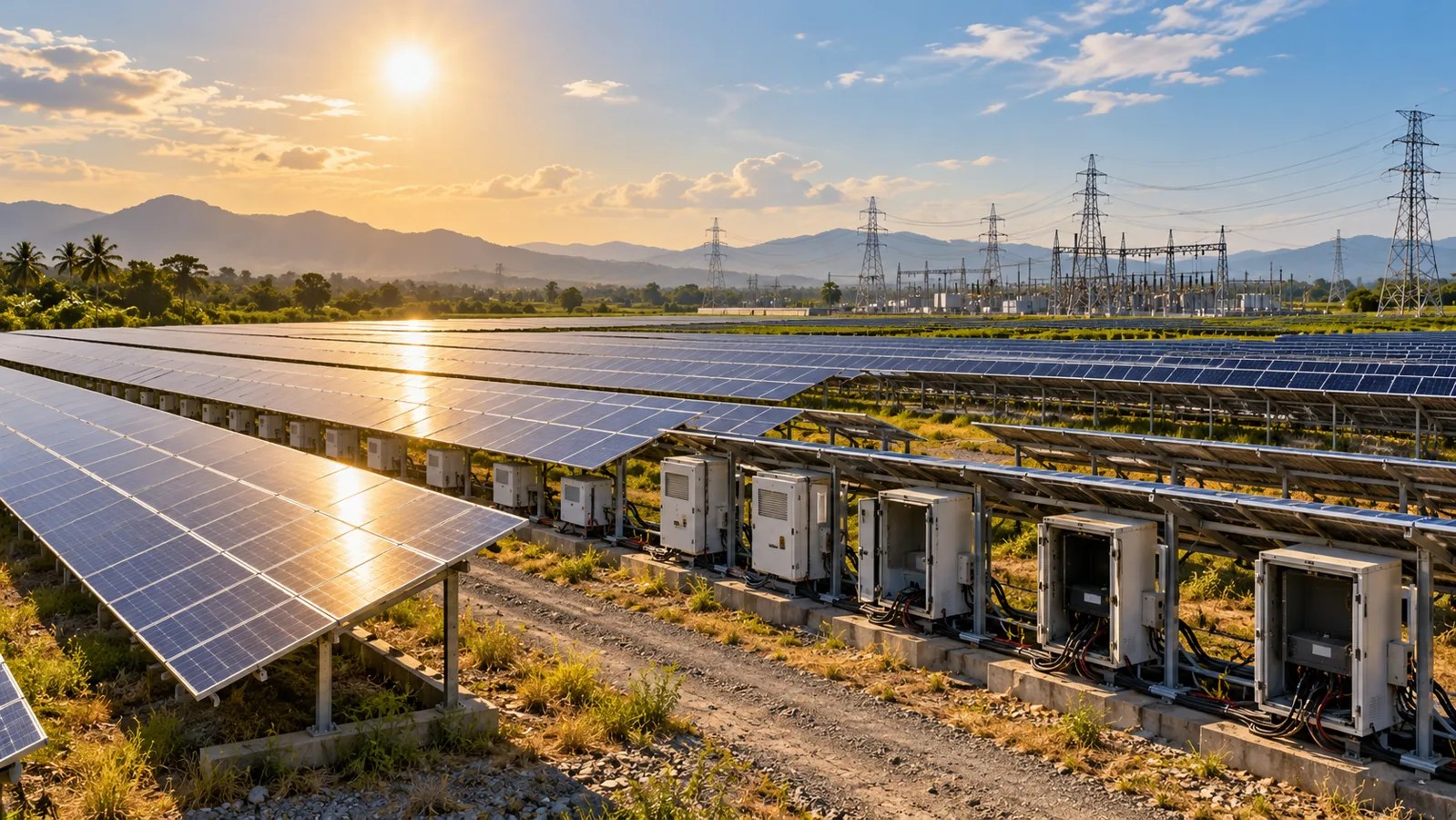
A solar farm can be producing in bright sunshine while some of its output is deliberately held back. A wind turbine can be mechanically available but instructed to reduce generation. This is curtailment: electricity that could have been produced is not delivered to the grid.
Curtailment is not proof that renewable energy is useless. It is a signal about the timing and location of supply, the ability of networks to move electricity, and the flexibility of the wider power system.
Technical and economic curtailment are different
The International Energy Agency separates technical curtailment—dispatch-down for network or system reasons—from economic curtailment caused by market conditions.
Technical curtailment can occur when a local transmission line is full, when the system lacks enough flexible reserves, or when operators need specific generators online for voltage, frequency or other security services. Economic curtailment can occur when abundant supply pushes prices very low or negative and a generator chooses not to run.
Why congestion matters
New renewable projects are often built where sun and wind resources are strongest, which may be far from demand centres. If generation grows faster than the connecting network, output can exceed the capacity of a line or substation.
That makes curtailment closely related to the grid-connection queue. Connecting a project and being able to export its full output at every hour are not the same thing.
A simple energy example
Imagine a 100 MW solar plant that could produce 80 MWh during a sunny hour. The local network can accept only 60 MWh. The remaining 20 MWh is curtailed. The plant’s curtailed share for that hour is 25%, but that does not mean 25% of its annual output will be lost. Annual curtailment depends on how often the constraint occurs.
Percentages should therefore be read with a clear denominator and period: curtailed energy divided by potential renewable generation, for a defined technology, place and time.
What reduces curtailment?
- Transmission and distribution upgrades move electricity from high-output areas to demand.
- Better forecasting and larger balancing areas allow operators to manage variability across more locations.
- Flexible demand shifts cooling, charging or industrial loads into hours of abundant supply.
- Storage absorbs electricity now and releases it later, provided power and duration match the need.
- Flexible generation and grid services reduce the need to keep inflexible units online.
- Market reform rewards flexibility and exposes location and timing constraints.
The IEA’s India analysis found that combinations of demand response, storage, transmission and more flexible plants can reduce curtailment, operating costs and emissions. No single measure solves every constraint.
Curtailment is not automatically waste
Eliminating the final unit of curtailment can cost more than it saves. A system may rationally accept a small amount during rare peaks instead of building infrastructure used only a few hours each year. The policy question is whether the observed level is lower-cost than available alternatives and whether planning reflects future growth.
Installed capacity, possible generation and delivered electricity are three different numbers. Curtailment explains part of the gap between the second and third—and shows why clean-power targets need networks, storage and demand flexibility alongside new generators.
It also helps to distinguish curtailment from electricity lost while moving through the grid: curtailed energy is never generated, while network losses occur after generation.
Featured image: AI-generated editorial illustration by ClimateCrisis Editorial. It does not depict a specific place, project or event.