
A public conversation can begin with a film. Lasting progress depends on what people do next.
Making a complex subject visible
Climate change unfolds across long timescales and many places. Film can bring these pieces together: a graph becomes a story, a distant landscape becomes tangible, and a technical question becomes a subject for discussion.
An Inconvenient Truth offers a case study in this kind of communication. Its Academy Award recognition is a clear marker of cultural visibility. Visibility alone, however, does not tell us how much a film changes behaviour or reduces emissions.
How to assess impact
Follow the evidence beyond awareness
Did people encounter and understand the issue?
Did they investigate or discuss it?
Did behaviour, institutions or policy change?
Were the results measured?
- Awareness: Did people encounter new information, and could they explain it accurately afterward?
- Engagement: Did viewers ask questions, organise discussions or seek further evidence?
- Decisions: Did organisations change purchasing, energy or transport practices?
- Outcomes: Were changes measured against a baseline, and were other explanations considered?
Turn discussion into a project
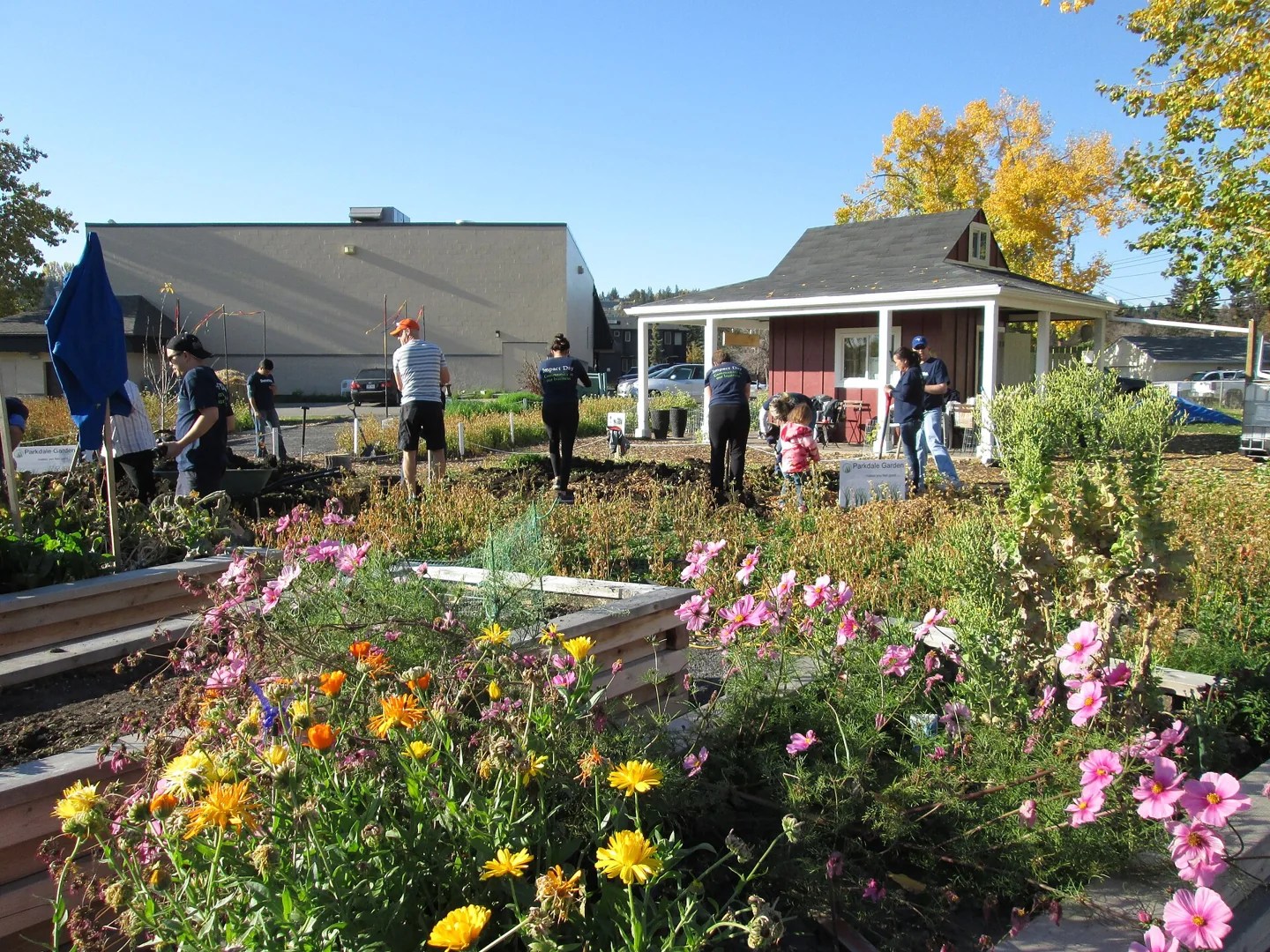

Choose one question from a screening, identify a local decision connected to it, and agree on a measurable next step. Record the starting position and review the outcome after an agreed period.
Find a way to get involved or use our classroom discussion plan.
Do not confuse attention with causation
A full screening room, a popular search term or a widely shared clip can demonstrate interest. To argue that a film caused a policy change or emissions reduction, a stronger chain of evidence is needed. What changed, when did it change, and what other events could explain the result?
Our suggested approach is to keep a simple evidence log. Record the claimed outcome, the source making the claim, the date and any limitation. If a survey only asks viewers how they feel immediately after a screening, describe it as an immediate response. Do not present it as proof of behaviour several years later.
A follow-up plan for a local screening
Before the session, ask participants to write one question they want answered. At the end, ask whether they can explain the answer and identify its source. Invite people to choose a voluntary follow-up activity, such as examining a building’s energy records or reviewing travel options.
At the review date, report participation and practical results separately. Ten people joining a meeting is a participation result. A documented change in electricity use is a different measure, and still needs context about weather and occupancy. This framework is our suggested evaluation method, not a claim about the film’s measured historical impact.