
Organise the 12 tips around daily life
Energy use and comfort.
Waste, repair and purchasing.
Trips and transport choices.
Community and institutional action.
Choose one useful change today, then build from experience.
- Read your energy bills. Identify a baseline before judging progress.
- Reduce heating and cooling waste. Use shading, maintain equipment and choose comfortable settings.
- Choose efficient lighting. Replace worn-out bulbs with efficient options appropriate for the fitting.
- Plan meals. Use what you already have and reduce avoidable food waste.
- Try plant-rich meals. Find meals you enjoy and can maintain.
- Repair first. Extend the useful life of products where repair is practical.
- Buy deliberately. Consider whether to borrow, share or buy durable second-hand goods.
- Combine journeys. Avoid repeated trips that could be handled together.
- Test a different commute. Try a safe walking, cycling or public transport option where available.
- Review long-distance travel. Consider remote participation or combining trips.
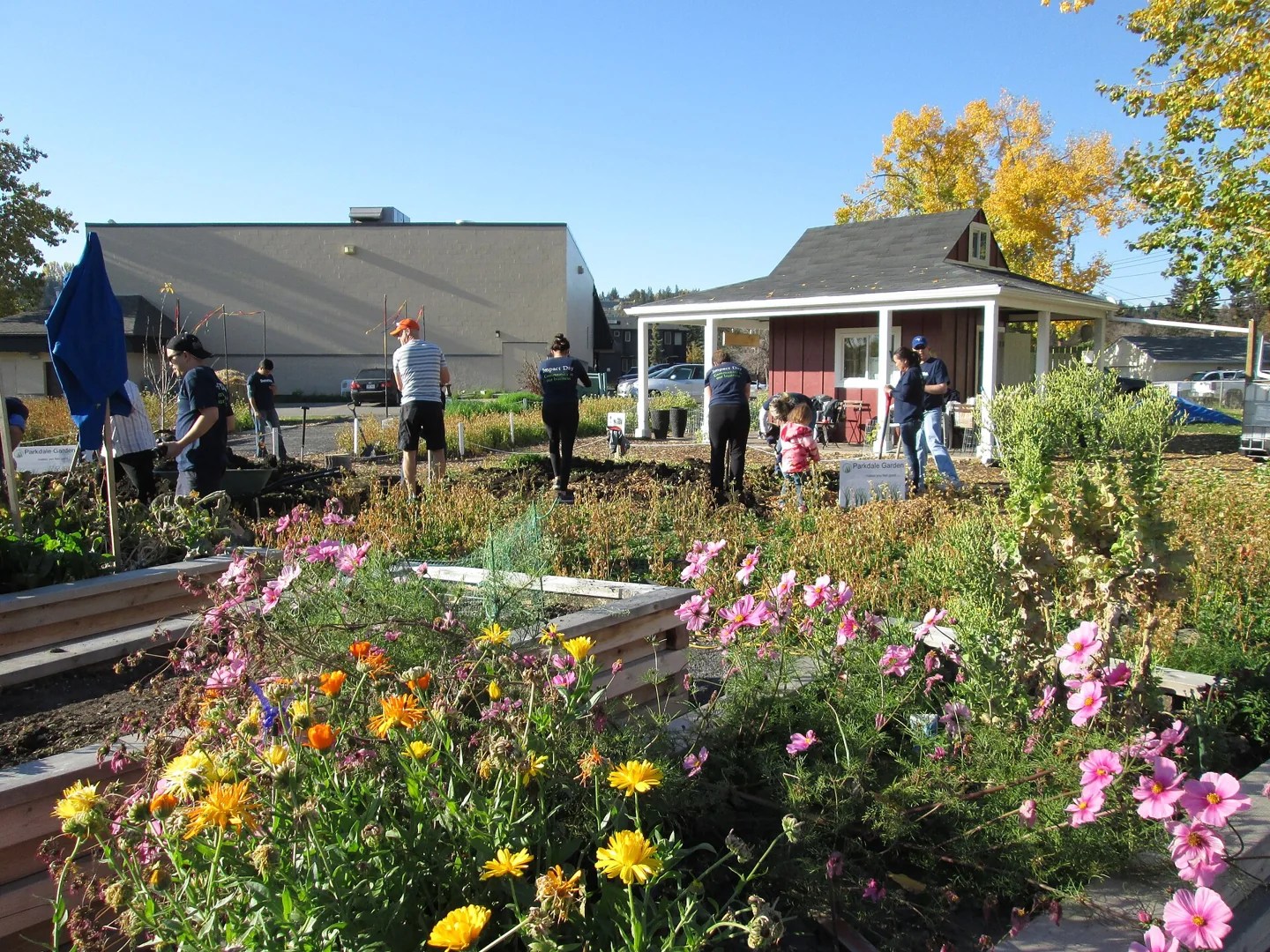
- Work with others. Ask your workplace or school to measure and improve one shared system.
- Track one change. Review the result after a month and adjust your plan.
Make the list your own

These are starting points, not a ranking of equal climate benefits. Your largest opportunities depend on your energy supply, travel, housing and circumstances. Use your own records to prioritise.
Read about action and measured impact · Understand your footprint
Choose a first action in three steps
First, identify a repeated activity. Look at a normal week rather than an exceptional day. Regular heating, cooling, travel and purchasing decisions are easier to document when you already have bills, receipts or a routine.
Second, choose a change you can repeat. Decide who needs to agree and what might prevent it from working. A household plan should fit the people who live there, while a workplace change needs the involvement of the people responsible for the relevant system.
Third, set a review date. Record what changed and what stayed the same. Use consistent units and note outside influences, such as different weather or occupancy. If the trial fails, use that information to adjust it.
Example: a month of avoiding wasted purchases
As a planning exercise, make a list of items you expect to buy. Before each purchase, check whether you already own something suitable, can repair an existing item, or can borrow the item safely. At the end of the month, record purchases avoided and money spent. Do not convert those numbers into an emissions saving without an appropriate method.
When individual choices are not enough
Some barriers require decisions by landlords, employers, transport providers or public authorities. Document the barrier and bring a specific proposal to the organisation that can change it. Our community action guide explains how to turn an idea into a small project.