
Connect your interests with a useful task in your community.
Choose a focus
Climate work can involve energy, buildings, transport, food, nature, education or public policy. Choose an issue you care about and a role you can maintain: organising, research, practical work, design or simply showing up reliably.
Find a credible project
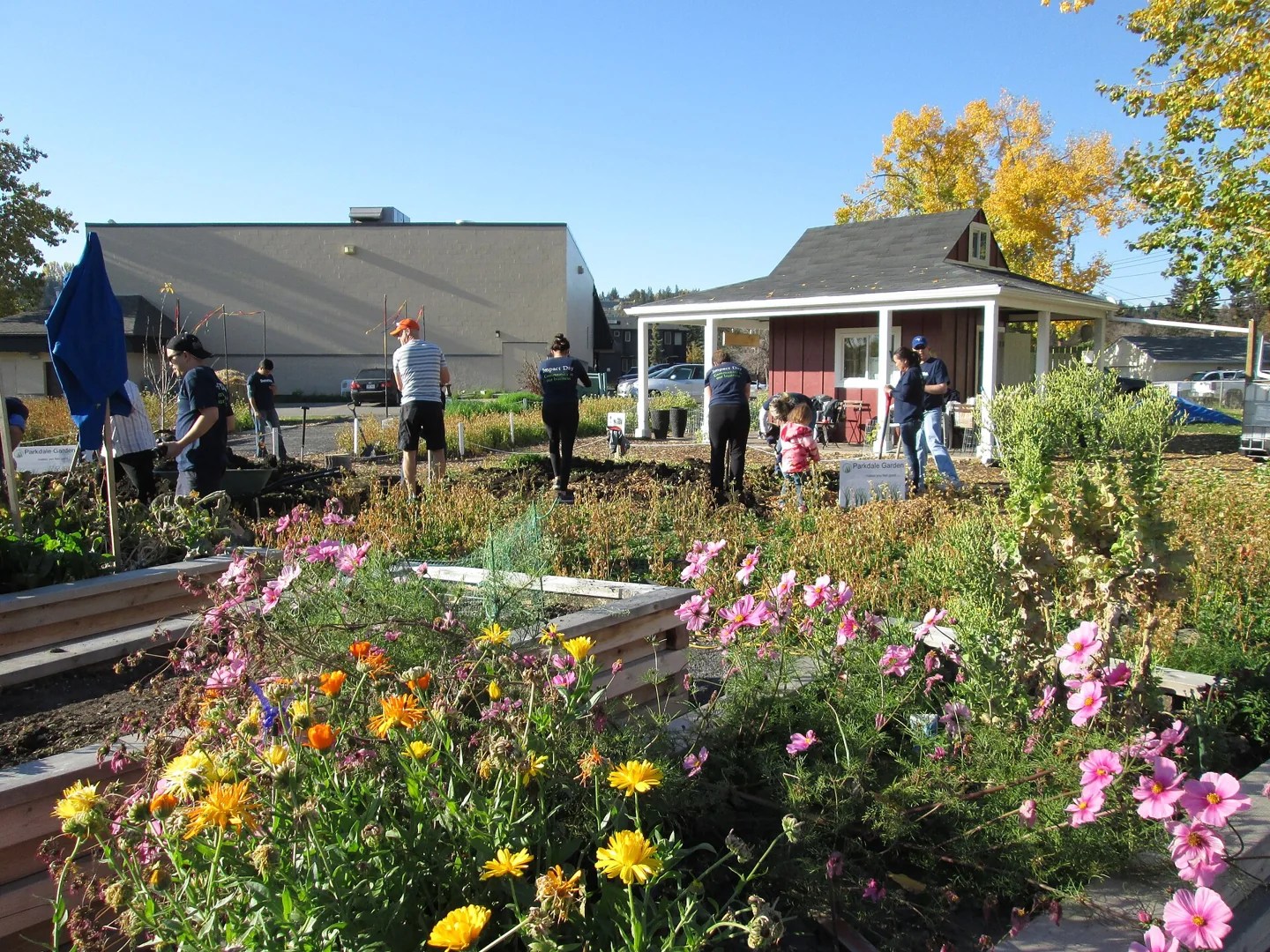

Look for a clear purpose, named organisers and an explanation of how results will be measured. Ask what help is needed before starting a new initiative. A small, well-run project can teach more than a large promise with no plan.
At work or school
- Ask for an energy or travel baseline before proposing a target.
- Bring together people responsible for purchasing, buildings and transport.
- Choose one achievable pilot and make someone responsible for following up.
- Share what worked, what did not and what it cost.
Make a 30-day commitment
Turn an intention into a 30-day project
Pick one problem and a credible local partner.
Agree on a practical task, a date and responsibilities.
Complete the task and keep a simple record.
Check the result and decide the next step.
Pick one action, set a date, invite one collaborator and define a result you can check. At the end of the month, decide whether to continue, expand or change direction.
Run a learning session or contact ClimateCrisis with a specific question or correction.
Questions to ask before joining
Ask who coordinates the project, what a volunteer is expected to do, and how much time the role requires. Check whether there is training, appropriate supervision and a clear route for reporting concerns. If money is collected, ask how the budget and spending are reported.
A credible invitation should allow you to understand the work before committing. You do not need to promise expertise you do not have. Research, translation, note-taking, organising accessible meetings and documenting progress can all be useful contributions when a project needs them.
A simple project brief
- Purpose: what specific local problem are you addressing?
- Responsibility: who can authorise the work and who will maintain it?
- Resources: what time, money and equipment are available?
- Evidence: what starting position will you record?
- Review: when will you check progress and share the result?
Report what you learned
Separate activities from outcomes. Holding a workshop is an activity; a documented change following the workshop is an outcome. Record what did not work as well as what did. This is our suggested planning framework, and it can be adapted to a school, workplace or neighbourhood group.
For an example of questions to bring to a local project, read our guide to city cooling proposals.