An Inconvenient Truth
Explore the documentary, its place in the climate conversation, and the evidence behind its message.
ABOUT THE FILM

Young voices, practical ideas and a greener outlook. Discover reading that connects environmental awareness with everyday action.
An Inconvenient Truth
Explore the documentary, its place in the climate conversation, and the evidence behind its message.
ABOUT THE FILMThe Dirt
Explore climate stories, energy choices and environmental ideas from ClimateCrisis.net.
LATEST STORIESExplore the science, the impacts, and practical responses—with a focus on what they mean for Southeast Asia.
Mangroves can reduce waves, slow water and stabilise sediment, but their protective effect depends on the coast. Learn what they can do, where limits begin and how to evaluate a…
An electricity emissions factor depends on place, time, accounting method and system boundary. Learn which factor to use—and what…
A tonne of rice spilled during storage and a tray of cooked food discarded by a household are both…
Electricity generated is not the same as electricity delivered. Learn how grid losses are calculated, what they include and how to compare power systems fairly.
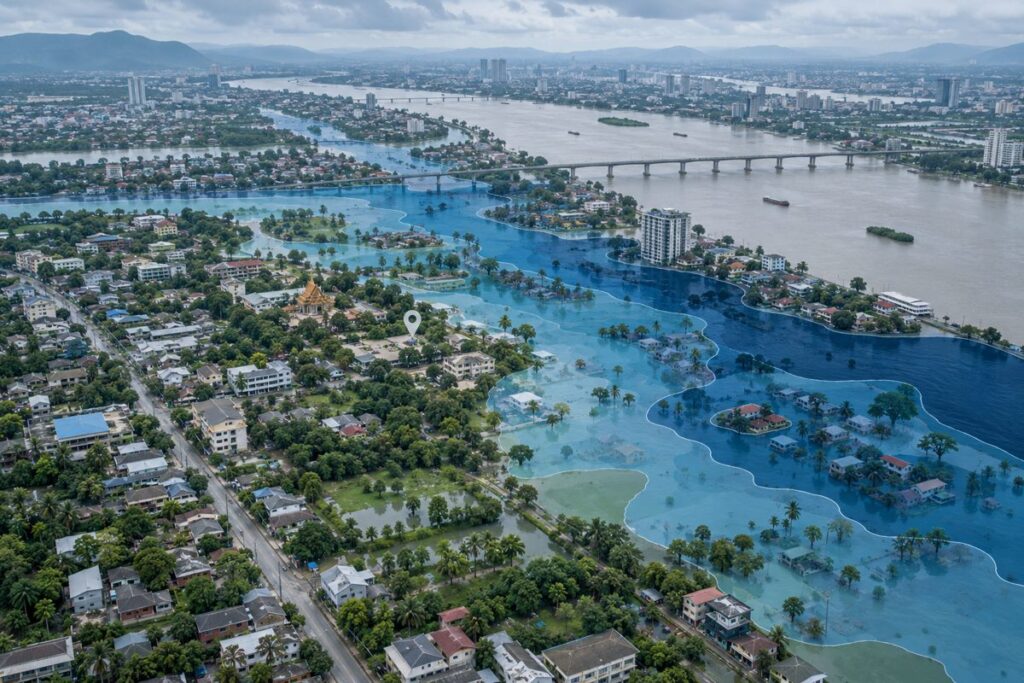
A flood map is a model, not a forecast. Learn how probability, depth, exposure, vulnerability and residual risk change what its colours mean.
The IEA’s Thailand 2030 scenario explores lower electricity peaks. A worked example explains why shifting demand is different from saving energy.
Rainfall deficits, soil moisture and water supply measure different things. Learn to read drought reports, compare baselines and use Mekong monitoring in context.
A heat warning is only the start. Explore who acts, how delivery is measured, and what WHO guidance and Singapore’s workplace measures reveal about heat planning.
Learn how coral bleaching alerts differ from reef surveys, what degree heating weeks measure, and why survey dates matter when judging damage or recovery.
Climate change affects the systems people depend on—from electricity and food to water and healthy ecosystems. Start with the causes, follow the evidence, and explore the responses.
The climate crisis describes the growing risks associated with human-driven climate change. Burning coal, oil and gas, alongside changes in land use, releases greenhouse gases that warm the planet. The consequences extend beyond temperature, affecting rainfall, oceans, ice and ecosystems.
The risks are not the same everywhere. Where people live, the infrastructure available to them and their access to resources all influence how they experience a changing climate.
Explore the causes and impacts →
Scientists compare surface temperatures, ocean observations, atmospheric measurements and changes in ice. Looking across these records helps distinguish long-term climate change from short-term weather.
A photograph can illustrate a place and time. Understanding a trend requires measurements across years, with clear methods and a stated reference period. Our evidence guide explains how to read those records and the claims made about them.
Read the climate evidence →Extreme heat, changing rainfall and coastal hazards raise different questions for cities, farms and coastal communities. A useful local assessment considers both the physical hazard and who or what is exposed to it.
For cities, that includes shade, building design and access to cooling. For farmers, it includes water availability and reliable irrigation. For coastal communities, sea-level rise and ocean warming create challenges that depend on local conditions. Our explainers connect these issues to evidence and practical decisions, without treating one regional average as a prediction for every place.
Climate responses involve cutting emissions and preparing for impacts. Personal choices matter alongside the energy systems, transport networks, business decisions and public policies that shape the options available.
Understand energy use, reduce avoidable waste and consider efficiency when equipment needs replacing.
Explore home actions →Review regular journeys and compare transport choices that fit your needs, safety and local infrastructure.
Explore transport choices →Work with others on local projects with clear goals. Ask how proposed changes will be measured and who benefits.
Find ways to get involved →Businesses and governments also shape investment, buildings and public services. When assessing a climate commitment, ask what it covers, when it will happen and how progress will be checked.
Browse practical climate actions →A carbon footprint estimates greenhouse gas emissions associated with an activity, product, person or organisation. Its meaning depends on the boundaries, data and assumptions behind the calculation. Use an estimate to identify questions and track changes—not as a complete account of your influence.
Understand your carbon footprint →ClimateCrisis.net publishes source-linked articles and explainers. Publication dates show when an article appeared; they do not mean every study it discusses is new. This homepage guide was prepared with AI assistance. See our editorial information for how the site uses AI and how to raise a question or correction.
These assessments support the climate overview above. They do not imply endorsement of this website.
Continue learning: Reading guide · An Inconvenient Truth